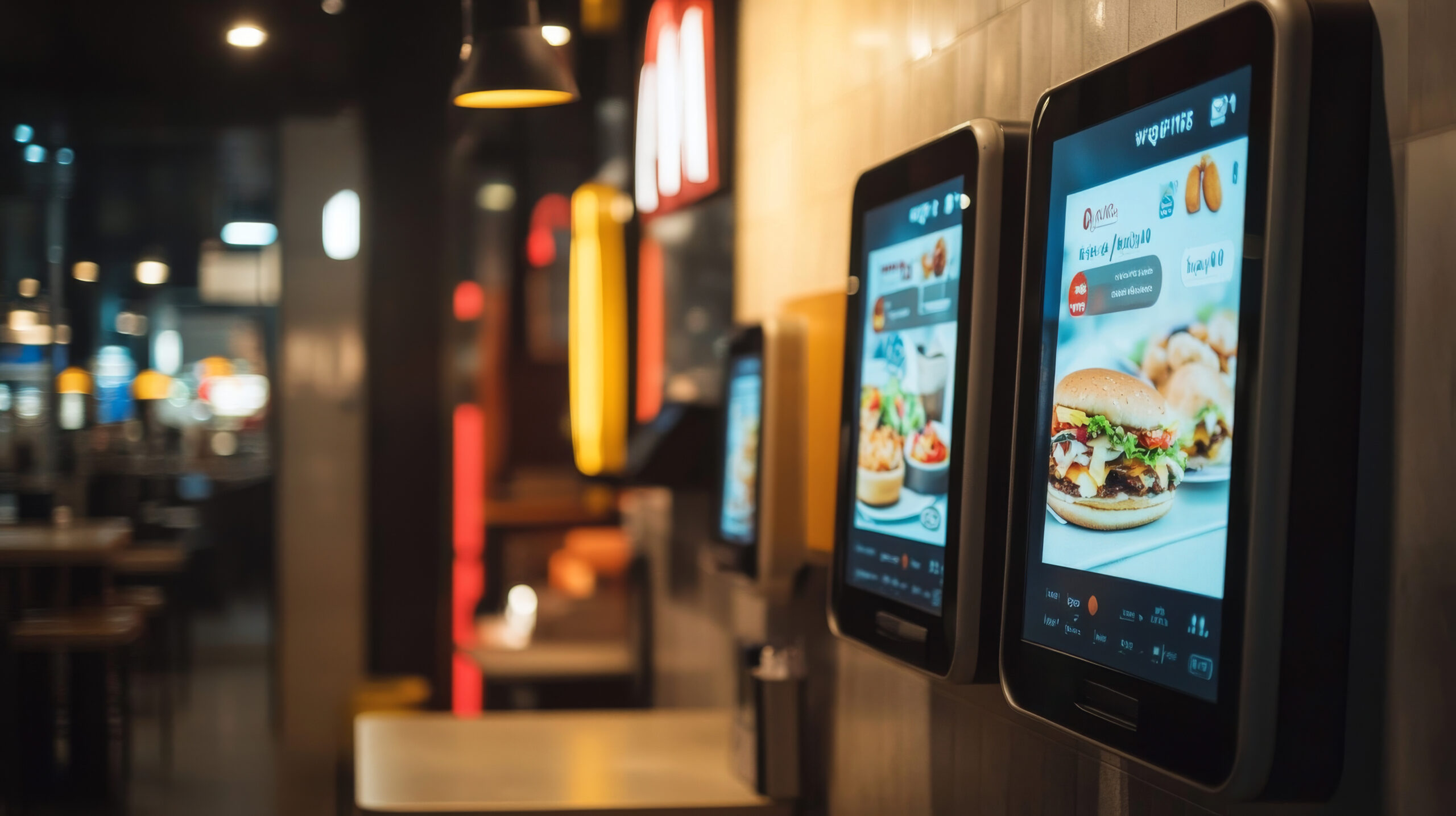
Quick service restaurants are entering a new operational era. Artificial intelligence is no longer a future investment or experimental tool. It is becoming a core component of how modern QSR brands manage labor, control costs, and deliver consistent guest experiences at scale.
As AI adoption accelerates, one reality stands out: technology alone does not drive results. The brands that succeed in 2026 will be the ones that connect AI with smarter, more flexible workforce strategy.
AI Is Becoming the Operating Layer for QSR
AI is reshaping how QSRs function day to day. From predicting demand and adjusting staffing levels to improving order accuracy and speed, intelligent systems are now embedded across operations. These tools help restaurants respond faster to changing conditions and reduce the manual work that has traditionally slowed teams down.
But AI delivers real value only when it supports the people running the operation. When systems simplify decision making and remove friction, managers gain time to lead and teams gain clarity in their roles.
Labor Complexity Is the Defining Challenge
QSR operators face constant variability. Traffic changes by the hour, staffing needs shift by the minute, and labor costs remain one of the largest expenses on the balance sheet. Managing this complexity requires more than static schedules or disconnected tools.
AI powered forecasting and scheduling give operators the ability to match labor to real demand. When workforce data lives in one connected platform, leaders gain total visibility into shifts, costs, and performance across locations. This level of control is essential for maintaining margins without compromising service.
Unified Workforce Systems Create Competitive Advantage
Disjointed workforce systems create delays, errors, and frustration for both managers and employees. In contrast, a unified platform that brings scheduling, time tracking, onboarding, and compliance together enables faster decisions and smoother operations.
For QSR brands operating at scale, this matters. Every location depends on consistency. Every shift impacts the guest experience. A connected workforce system ensures that teams are staffed correctly, paid accurately, and supported by clear processes.
AI Enhances Speed Without Sacrificing the Human Experience
Speed has always defined QSR success, but speed alone is no longer enough. Guests expect efficiency paired with personalization and reliability. AI helps deliver on these expectations by optimizing workflows and reducing errors.
At the same time, hospitality remains human. AI should support frontline teams, not replace them. When technology removes administrative burden, employees can focus on what guests remember most: friendly service, accuracy, and consistency.
Workforce Strategy Is the Missing Link
Many QSR brands invest heavily in customer facing technology but overlook workforce operations. This gap limits the impact of AI. Without integrated workforce management, even the most advanced systems struggle to deliver ROI.
A strong workforce strategy ensures that AI supports:
- Smarter scheduling that reduces overtime and burnout
- Faster onboarding that gets staff productive quickly
- Built in compliance that reduces risk without extra effort
- Data driven insights that improve performance across locations
When workforce operations are aligned with AI, restaurants move from reactive problem solving to proactive planning.
The Future of QSR Is Human Centered and Data Driven
The next generation of QSR leaders will not choose between people and technology. They will design systems where both work together. AI will continue to accelerate operations, but the real advantage will come from platforms that empower teams and simplify complexity.
In 2026, success in QSR will belong to brands that treat workforce management as a strategic foundation. AI is the catalyst, but people remain the differentiator. When technology is built around the workforce, restaurants operate smarter, move faster, and deliver better experiences at every touchpoint.